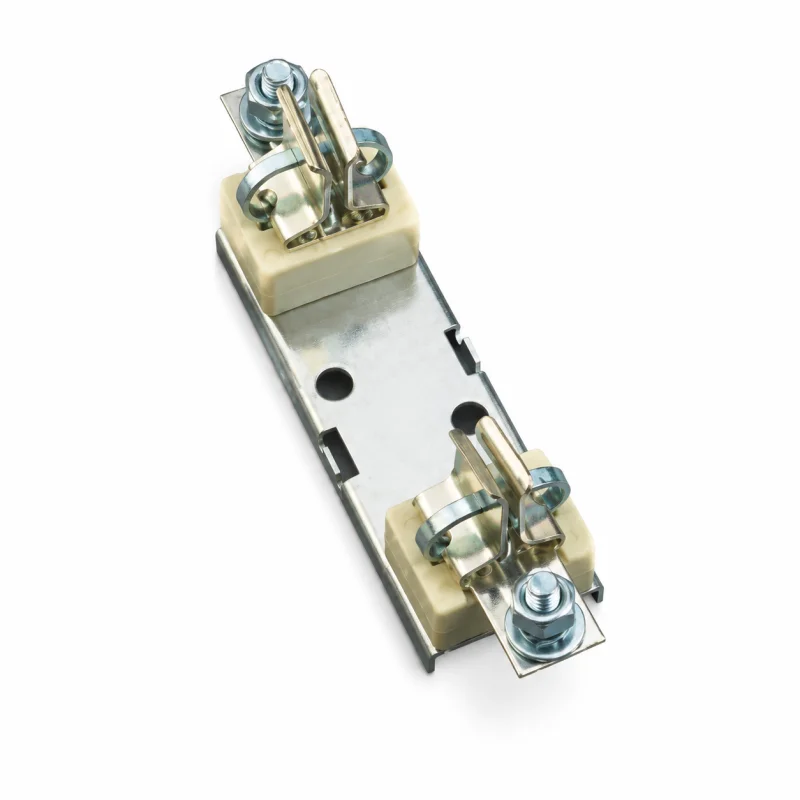
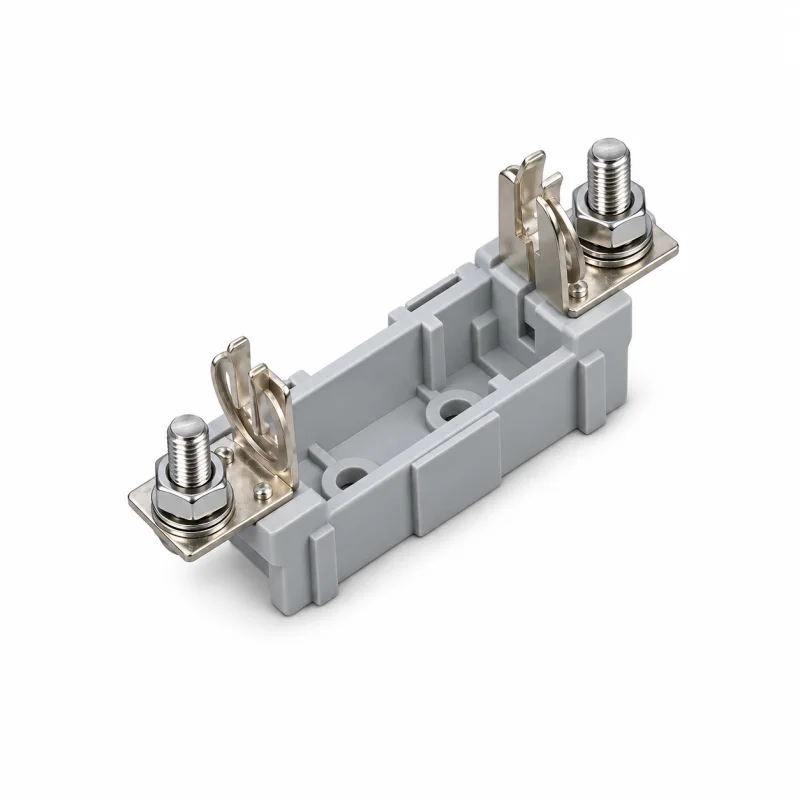
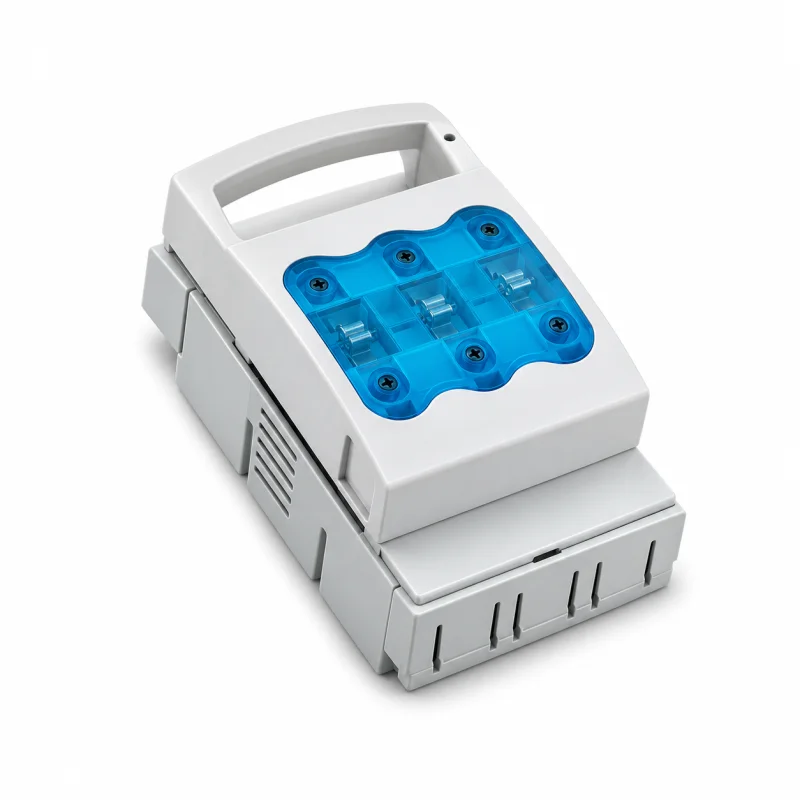
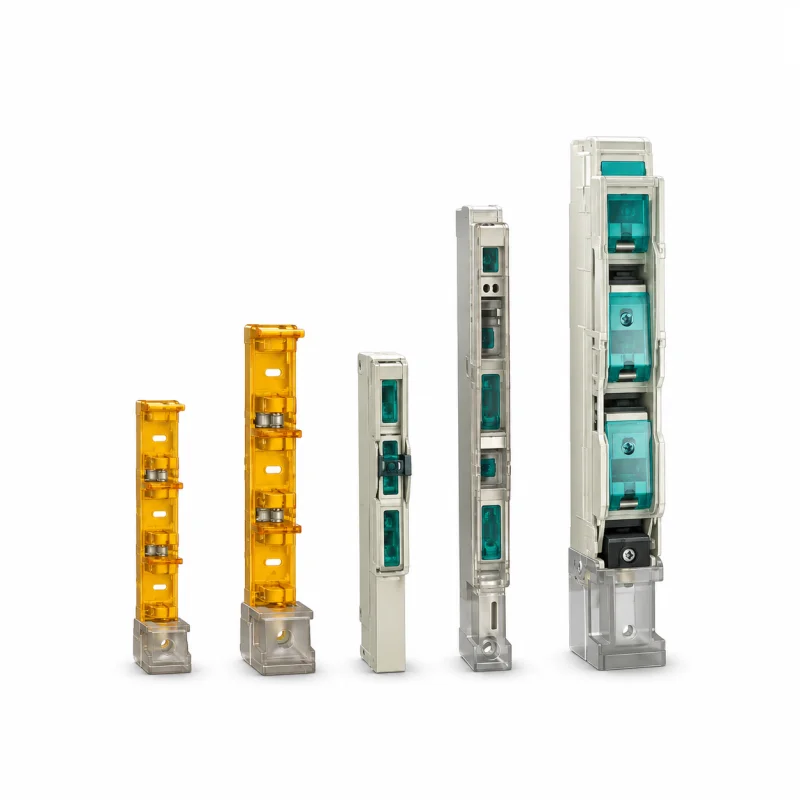
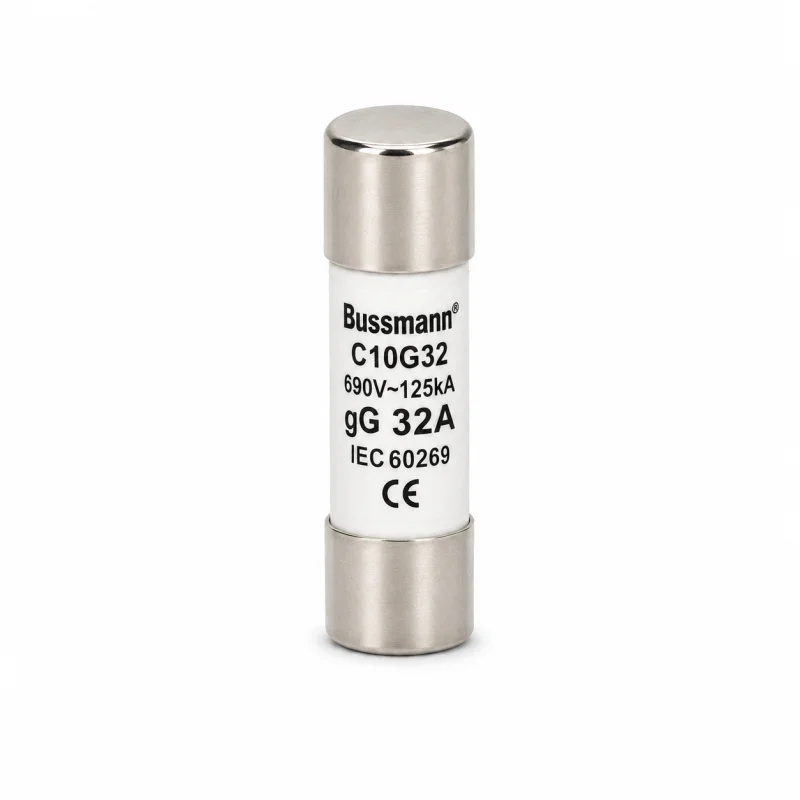
CWNE NH/NT fuse links and porcelain fuse bases

Why Buy Fuses and Bases as One Set

A fuse only performs as specified when the link, the base and the holder come from one dimensioned system. CWNE supplies NH and NT fuse links together with the matching porcelain bases, fuse carriers and monitoring accessories, so the breaking capacity, the contact pressure and the thermal behaviour are defined as a set.

  • Complete size range: NH000, NH00, NH1, NH2, NH3 and NH4, plus NT00, NT1, NT2, NT3 and NT4 links.
  • gG and aM characteristics: general-purpose cable and line protection, and motor-circuit protection.
  • Matched bases: single-pole and three-pole bases, fuse carriers and covers for panel and busbar mounting.
  • Integration with switch disconnectors: the same fuse system is used in the HR and NH switch disconnectors and in the bar-type NH switches.
  • Monitoring options: fuse monitoring and signal switches for remote indication of a blown fuse.

Where Fuses and Bases Are Used

Fuse and Fuse Base FAQ

Which NH sizes do you supply?

NH000, NH00, NH1, NH2, NH3 and NH4 fuse links, with the matching single-pole and three-pole bases and carriers. NT00 to NT4 links are also available.

What is the difference between gG and aM fuse links?

gG links provide both overload and short-circuit protection for cables and lines. aM links provide short-circuit protection only and are used with a separate overload relay in motor circuits.

Can the fuse bases be mounted on a busbar system?

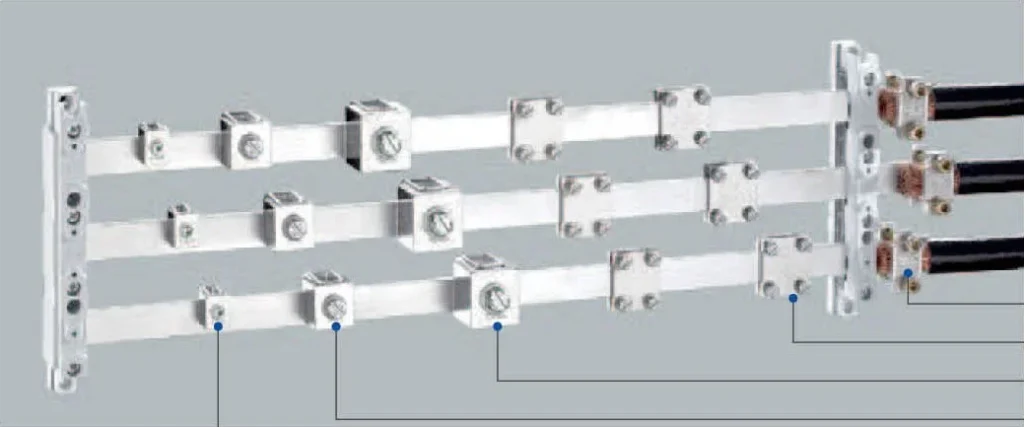
Yes. Three-pole bases can be mounted directly on the 2T, 3T and TCC busbar systems, and they are the same fuse system used inside the HR and NH switch disconnectors.

Do you supply fuse monitoring?

Yes. Fuse monitoring and signal switches are available for remote indication of a blown fuse, which is used where a single-phase loss would damage motors or where the installation is unattended.

Which standard applies to the fuse links?

The links are manufactured to IEC 60269. Where a link is combined with a switch disconnector, the switch and link are selected as a matched unit so the making and breaking capacity of the switch corresponds to the link.

How do I choose between a fuse and a circuit breaker?

Choose a fuse where high breaking capacity, current limitation and visible isolation matter in a compact device at low cost. Choose a circuit breaker where resettable operation, adjustable protection settings or remote signalling are required.

How to Select Fuse Links and Bases

Breaking capacity where it matters

NH fuse systems are chosen for high prospective short-circuit currents, visible isolation and predictable current limitation. Where a circuit breaker would need a larger frame to reach the same breaking capacity, an NH link achieves it in a compact footprint.

Selection by application, not only by current

  • gG (general purpose): cable and line protection in distribution circuits.
  • aM (motor protection): short-circuit protection for motor feeders, used together with an overload relay.
  • Semiconductor and DC applications: specialist links on request.

Bases and carriers built for the link

Porcelain bases are dimensioned for the thermal and mechanical load of the matching link size, with contact blades that keep the contact pressure over the service life. Three-pole bases are available for panel mounting and for direct mounting on the busbar system.

Documented coordination

Fuse links are tested to IEC 60269. Where a fuse is combined with a switch disconnector, the assembly is selected as a unit so the making and breaking capacity of the switch matches the link.

1. Determine the required breaking capacity

Start from the prospective short-circuit current at the point of installation. The fuse rating must exceed it; NH systems are normally chosen where the fault level is high and space is limited.

2. Choose the characteristic

  • gG for cable and line protection — the link protects the cable against overload and short circuit.
  • aM for motor circuits — the link covers short circuit only and an overload relay covers the overload.

3. Size the link to the cable, not to the load alone

The rated current of the link must not exceed the current-carrying capacity of the cable it protects, after correction for ambient temperature and grouping.

4. Select the base and carrier

Match the base size to the link size (NH000 to NH4, NT00 to NT4), choose single-pole or three-pole, and decide between panel mounting and direct busbar mounting. Add a cover where the base is accessible.

5. Add monitoring if the process cannot stop

Fuse monitoring and signal switches report a blown fuse to the control system, which matters in unattended installations and in processes where a single-phase loss would damage motors.

What to send for a quotation

  • Link size and rated current, characteristic (gG or aM)
  • Rated voltage and the prospective short-circuit current
  • Base type: single-pole or three-pole, panel or busbar mounting
  • Whether monitoring, signal switches or covers are needed
  • Quantity per size and delivery destination

+86-15557556666 Phone info@cwnegroup.com E-mail Chat on WhatsApp WhatsApp