
Two Series, One Purpose: Safe Isolation

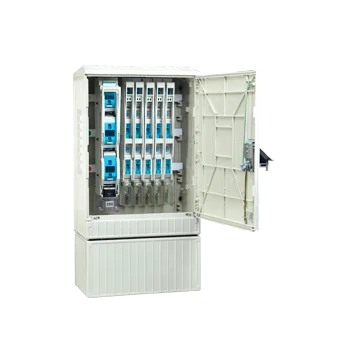
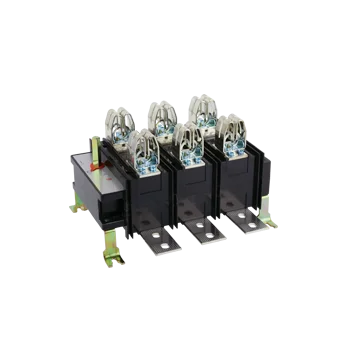
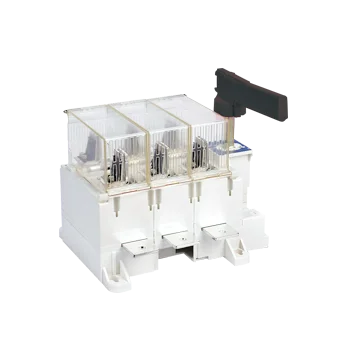
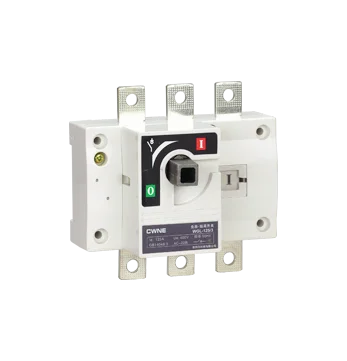
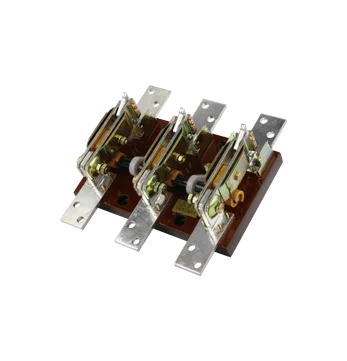
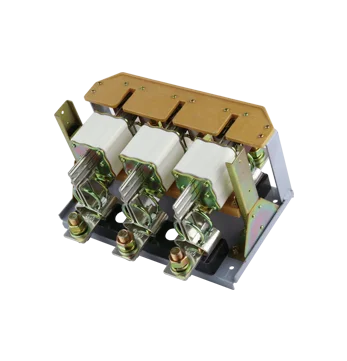
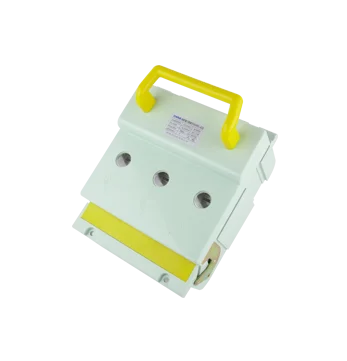
Isolation is a safety function, not a switching convenience. CWNE produces both families used in low-voltage assemblies — fuse switch disconnectors (HR and NH series) and load break switches (WGL, WGLR, HH15 and HD series) — so the device matches the duty instead of being chosen by what is available.

  • Series 1 — HR and NH fuse switch disconnectors: fuse protection and visible isolation in one device, for feeder groups and main switches.
  • Series 2 — WGL, WGLR, HH15 and HD load break switches: making and breaking under load, with defined isolation, for main and sub-main switching.
  • Modular construction: 3-pole and 4-pole versions, with a switchable neutral where required.
  • High dielectric performance: glass-fibre reinforced moulding and double-break contacts on the WGLR range.
  • Built to IEC 60947-3 and GB 14048.3, with fuse operation to IEC 60269.

Where Isolating Switches Are Used

Isolating Switch FAQ

What is the difference between an isolating switch and a load break switch?

An isolating switch provides a safe, defined open state, mainly for maintenance. A load break switch can also make and break circuits under normal load current. Some ranges, such as the WGL, make and break up to a defined current and provide isolation above it.

What is the advantage of a modular design?

A modular device is built from a consistent set of poles, so 3-pole and 4-pole versions, additional auxiliary contacts and different handle arrangements come from the same platform. That keeps spare parts and mounting dimensions consistent across a project.

Do you supply compound switches with fuses?

Yes. The HR17, HR3, HR5, HR6 and WGLR switch disconnectors combine a load break switch with NH fuse protection, with an optional fuse monitoring switch and signal contact. The NH bar-type switch integrates the current transformer, the switch and the fuse in one device.

Can the switches be mounted on a busbar?

Yes. HR17 and the NH bar-type switches mount directly on the 2T, 3T and TCC busbar system, which removes the need for a separate fuse sub-distribution.

Which poles and neutral arrangements are available?

3-pole and 4-pole versions are available, including 4-pole devices with a switchable neutral pole for circuits where the neutral must be isolated for maintenance.

Which standards apply?

The switch disconnectors are designed to IEC 60947-3 and GB 14048.3. Where fuses are combined with the switch, fuse operation follows IEC 60269.

How to Choose an Isolating or Load Break Switch

1. Decide the function

Make and break under load, or isolation only. This is the first decision because it sets the series: load break switches for switching duty, isolating devices for maintenance points.

2. Check the current and the utilisation category

State the rated current, the voltage (AC or DC) and whether the device must break motor current, mixed loads or resistive loads. WGL makes and breaks up to 1000 A and provides isolation only above that rating.

3. Confirm the poles and the neutral

3-pole or 4-pole, and whether the neutral must be switched. A 4-pole device with a switchable neutral is required where the neutral has to be isolated for maintenance.

4. Choose the construction

  • Modular load break switch (WGL, WGLR) for distribution boards and assemblies.
  • Bar-type NH switch where a compact, integrated current-transformer and fuse-switch solution is needed.
  • Switch disconnector fuse group (HH15) for high short-circuit current distribution and drawer-type assemblies.
  • Knife switch (HD, HS) for single-throw or double-throw isolation with protected terminals.

5. Add the accessories

Fuse monitoring, auxiliary and signal switches, extended handles and door-coupling kits are selected with the device, not after it.

What to send for a quotation

  • Rated current and voltage, AC or DC
  • Poles and neutral requirement
  • Whether the device must make and break under load
  • Fuse size, if fuse protection is required
  • Accessories: monitoring, auxiliary switch, handle type
  • Quantity and delivery destination
+86-15557556666 Phone info@cwnegroup.com E-mail Chat on WhatsApp WhatsApp